The festive season in Brisbane has a flavour all of its own. There are prawns and pavlova on Christmas Day, mango everything, cold drinks by the pool, and a stocking full of lollies for the kids. Long, lazy days stretch from the school break-up through to Australia Day. It’s a wonderful time of year, but it’s also one of the toughest for your teeth. More treats, more drinks and looser routines can quietly add up. Many people head into the new year with a toothache they didn’t see coming. The good news is you don’t need to skip the Christmas ham or say no to a second slice of pav. A few smart habits make a big difference. In this guide, our Greenslopes dentist team shares practical tips on which treats to watch, which drinks do the most damage and why grazing matters. We also cover keeping kids’ teeth healthy over the holidays and what to do if a tooth breaks.

Why the Festive Season Is Tough on Your Teeth
On their own, a few Christmas treats won’t cause much harm. The problem is that several risk factors pile up at once over the holidays.
Here’s what tends to stack up between December and January:
- More sugar, more often. Chocolates in the office, lollies in the stocking, desserts at every gathering. Sugar is everywhere, and it’s often within arm’s reach all day.
- More acidic drinks. Brisbane summers are hot and humid, so we reach for cold drinks constantly. Soft drinks, juices, sparkling water, cocktails and wine all carry acid that softens tooth enamel.
- Broken routines. Late nights, sleepovers, camping trips and holidays away make it easy to skip brushing or flossing.
- Travel. Toothbrushes get left behind, and regular meal times disappear.
- Dehydration. Heat, alcohol and long days outdoors can leave you with a dry mouth. Saliva is your natural defence against decay, so less of it means teeth are more vulnerable.
- Delayed care. Many people notice a sensitive tooth before Christmas and decide to “deal with it in the new year.” Small problems can grow quickly in the meantime.
Put all of that together, and it’s easy to see why the summer break can be hard on your smile.
The Holiday Treats That Cause the Most Trouble (and the Surprisingly Tooth-Friendly Ones)
Not all treats are equal. Some stick around on your teeth for hours, while others are gone in a few seconds. Knowing the difference helps you enjoy the season without giving up everything you love.
The treats that cause the most trouble:
- Candy canes and hard lollies. They dissolve slowly, bathing your teeth in sugar for a long time. Biting down on them can also crack teeth and fillings.
- Toffee, caramels and fudge. These sticky treats cling to the grooves of your teeth and are hard to rinse away.
- Chewy lollies and jelly snakes. They pack plenty of sugar and like to lodge between teeth.
- Dried fruit. It might seem like a healthy choice, but dried fruit is concentrated sugar with a sticky texture. Fruit mince pies and Christmas cake are full of it.
- Pavlova and meringue. Delicious, but meringue is mostly sugar and can be quite sticky once it softens.
- Peanut brittle and nut toffee. Hard, sticky and sugary all at once, making them a triple threat for chipped teeth.
The surprisingly tooth-friendly choices:
- Cheese. A cheese platter is one of the best things on the table for your teeth. Cheese helps neutralise acids and provides calcium. A few cubes after dessert is a smart move.
- Cold meats and prawns. Ham, turkey and prawns are low in sugar and won’t feed the bacteria that cause decay.
- Nuts. Plain nuts are low in sugar and full of nutrients. Just be careful with very hard ones, and never crack shells with your teeth.
- Raw veggies. Carrot, celery and cucumber sticks are crunchy and help stimulate saliva, which naturally cleans the teeth.
- Plain chocolate. Chocolate, especially dark chocolate, melts and clears from the mouth relatively quickly compared with sticky or hard lollies. If you’re choosing a sweet treat, it’s one of the better options.
- Fresh fruit. Fresh mango, cherries and berries are best enjoyed with a meal rather than nibbled throughout the day.
A simple rule of thumb: the stickier the treat and the longer it stays in your mouth, the harder it is on your teeth.
Summer Drinks and Your Teeth: Soft Drinks, Juice, Sports Drinks and Alcohol
In a Queensland summer, drinks can do as much damage as lollies. Many people focus only on sugar, but acid is just as important.
Sugar vs acid: what’s the difference?
- Sugar feeds the bacteria in your mouth, which produce acid that causes decay.
- Acid in the drink itself softens and wears away tooth enamel directly. This is called dental erosion.
Many popular summer drinks deliver both.
How common drinks stack up:
- Soft drinks. High in sugar and highly acidic. Even diet and sugar-free versions are acidic, so they can still cause erosion.
- Fruit juice. Natural doesn’t mean tooth-friendly. Juice is acidic and often contains as much sugar as soft drink.
- Sports drinks. These are often marketed as healthy, but most are sugary and acidic. Unless you’re doing long, intense exercise, water is usually all you need.
- Sparkling and flavoured water. Better than soft drink, but the bubbles and flavourings can make them mildly acidic.
- Alcohol. Wine, cocktails, ciders and pre-mixed drinks are often acidic and sugary. Alcohol also dries out your mouth, reducing the saliva that protects your teeth.
Smarter ways to enjoy summer drinks:
- Make water your default. Brisbane tap water is fluoridated, giving your teeth an extra boost of protection.
- Use a straw. It helps drinks bypass your teeth, especially the front ones.
- Don’t sip slowly over hours. Finish a drink within a reasonable time rather than nursing it all afternoon.
- Alternate with water. Have a glass of water between alcoholic or sugary drinks.
- Have sweet drinks with meals. Saliva production is higher when you eat, which helps protect your teeth.
Grazing All Day: Why How Often You Snack Matters More Than How Much
If there’s one tip to remember from this article, make it this one: how often you eat sugar matters more than how much you eat.
Here’s why. Every time you eat or drink something sugary, the bacteria in your mouth produce acid. That acid attacks your teeth for a while afterwards, usually around 20 minutes to an hour. Your saliva then gradually neutralises the acid and helps repair the enamel.
Now compare these two scenarios:
- Scenario A: You eat five chocolates after Christmas lunch in one sitting. Your teeth go through one acid attack, then have the rest of the afternoon to recover.
- Scenario B: You eat one chocolate every hour from morning until night. Your teeth go through five or more separate acid attacks and barely get a chance to recover between them.
Even though Scenario B might involve the same or less sugar, it’s far worse for your teeth.
This is exactly what happens during the holidays. A bowl of lollies sits on the coffee table, a tin of shortbread lives on the bench, and drinks flow all afternoon. Your teeth end up under almost constant attack.
How to graze smarter:
- Keep treats to mealtimes or set “treat times” rather than all day.
- Put the lolly bowl away between celebrations.
- Choose savoury snacks like cheese, nuts and veggies between meals.
- Follow sweet treats with water or a few cubes of cheese.
Simple Habits to Protect Your Teeth at Christmas Parties and BBQs
You don’t need to bring a toothbrush to the office party. These easy habits fit right into a busy festive calendar.
At the party or BBQ:
- Rinse with water. After eating or drinking something sweet or acidic, swish some water around your mouth.
- Chew sugar-free gum. It stimulates saliva, helping to neutralise acid and wash away food. Look for gum that is sugar-free.
- Finish with cheese. If there’s a cheese board, a few bites at the end of the meal can help balance acid levels.
- Stay hydrated. Keep a glass of water handy, especially in the heat or if you’re drinking alcohol.
When you get home:
- Wait before brushing after acidic food or drinks. Acid temporarily softens enamel. Brushing straight away can wear it down. Wait around 30 to 60 minutes before brushing.
- Never skip brushing before bed, even after a late night. Brushing with fluoride toothpaste before sleep is the most important clean of the day.
- Floss, even quickly. Holiday foods love to get stuck between teeth.
When travelling:
- Pack a travel dental kit. Include a toothbrush, small toothpaste and floss or interdental brushes.
- Keep a spare in the car or beach bag. Handy for day trips and long weekends away.
- Use a cover or case for your toothbrush, and let it dry between uses.
Keeping Kids’ Teeth Healthy Over the Summer School Holidays
The summer school holidays are a long stretch, and routines can slide quickly. Combine that with Christmas lollies, ice blocks and late nights, and kids’ teeth can take a real hit.
Practical tips for parents:
- Keep brushing routines steady. Twice a day with fluoride toothpaste, including before bed, even on holidays and sleepovers. Children aged 18 months to 5 years should use a pea-sized amount of low-fluoride children’s toothpaste. Children 6 and over can use a pea-sized amount of standard fluoride toothpaste.
- Supervise brushing. Young children usually need help brushing until around 8 years old.
- Manage the Christmas stocking. Rather than letting kids work through lollies all day, offer a small portion after meals. Store the rest out of sight.
- Swap some treats. Mix lollies with small toys, stickers or activity books in stockings and party bags.
- Choose ice blocks wisely. Frozen water with fruit pieces or plain yoghurt pops are better than sugary ice blocks.
- Encourage water. Make water the main drink, especially after sport and outdoor play.
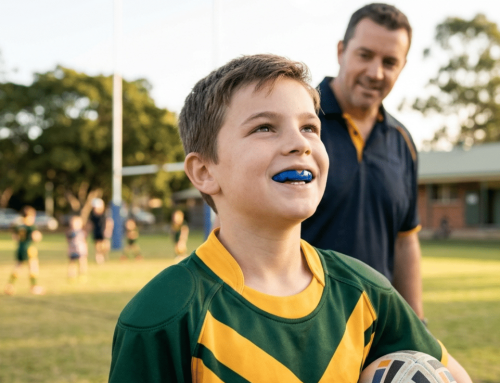
- Protect teeth during play. Summer sport, trampolines, skate parks and pools all come with a risk of dental injuries. Kids playing sport should wear a properly fitted mouthguard.
- Book a holiday check-up. The school holidays are a great time for a check-up without missing class.
Child Dental Benefits Schedule (CDBS): Children who are eligible for the CDBS are bulk-billed at Road Dental. Contact our team to check eligibility and find out how it works.
Holiday Dental Mistakes to Avoid
Some of the most common holiday dental problems come from habits that seem harmless at the time. Here are the ones our Greenslopes dentist team sees most often after the break:
- Opening bottles or packets with your teeth. Stubbies, champagne cages and tough plastic packaging are a fast way to chip a tooth. Grab a bottle opener or scissors instead.
- Crunching ice. It’s tempting on a hot day, but ice is hard enough to crack teeth and fillings.
- Biting candy canes and hard lollies. Let them dissolve, or better yet, choose softer treats.
- Cracking nuts or prawn shells with your teeth. Use a nutcracker or your fingers.
- Skipping brushing after a late night. Sugar and acid left on your teeth overnight give bacteria hours to work.
- Sipping drinks all afternoon. Long, slow sipping keeps teeth under constant acid attack.
- Forgetting your mouthguard. Backyard cricket and beach footy can get competitive.
- Ignoring a toothache until the new year. Pain usually means something needs attention. Waiting can turn a simple filling into a root canal or extraction.
What to Do If You Break or Chip a Tooth Over the Holidays
Even with the best intentions, accidents happen. A bite of toffee, a cricket ball or a slip by the pool can break a tooth in a split second.
Quick steps if a tooth breaks or chips:
- Rinse your mouth gently with warm water.
- Control any bleeding by biting on clean gauze or a clean cloth for 10 to 15 minutes.
- Save any broken pieces in a small container of milk.
- Reduce swelling with a cold compress on the outside of your cheek.
- Manage pain with over-the-counter pain relief as directed on the packet.
- Call your dentist as soon as possible.
If an adult tooth is knocked out, pick it up by the crown (the white part), not the root. Try to place it gently back in the socket, or keep it in milk. Get to a dentist within 30 to 60 minutes. Don’t reinsert baby teeth.
Go to a hospital emergency department or call 000 if there’s a head injury, a suspected broken jaw, uncontrolled bleeding or swelling that affects breathing or swallowing.
At Road Dental, we keep emergency time slots open every day we’re open, so patients with broken teeth, severe toothache or injuries can be seen quickly. For a more detailed guide, read our article Emergency Dentist Greenslopes: What to Do When a Tooth Breaks.
Start the New Year With a Check-Up at Road Dental in Greenslopes
The festive season is about enjoying good food, good company and a well-earned break. With a few simple habits, your teeth can enjoy it too.
To recap:
- Sticky, hard and slow-dissolving treats cause the most trouble, while cheese, nuts, veggies and cold meats are tooth-friendly.
- Summer drinks bring both sugar and acid, so make water your go-to.
- How often you snack matters more than how much, so avoid grazing all day.
- Rinse, chew sugar-free gum and wait before brushing after acidic food or drinks.
- Keep kids’ routines steady and book their check-up during the school holidays.
- Don’t put off a toothache or a broken tooth until the new year.
Once the decorations come down, a check-up and professional clean is a great way to give your smile a fresh start. Our friendly team will check for any early signs of decay or erosion and remove built-up plaque and tartar. We’ll also help you head into the new year feeling confident about your oral health.
Visit us: 635 Logan Rd, Greenslopes QLD 4120
Call us: (07) 3397 3999
Opening hours:
- Monday to Friday: 8:00 am to 5:30 pm
- Saturday: 8:00 am to 12:00 pm
- After-hours visits available by appointment
We welcome families from Greenslopes, Coorparoo, Holland Park, Annerley, Tarragindi and surrounding suburbs. Enjoy the season, and when you’re ready for a fresh start, call Road Dental on (07) 3397 3999 or book online to arrange your New Year check-up.


Leave a Comment